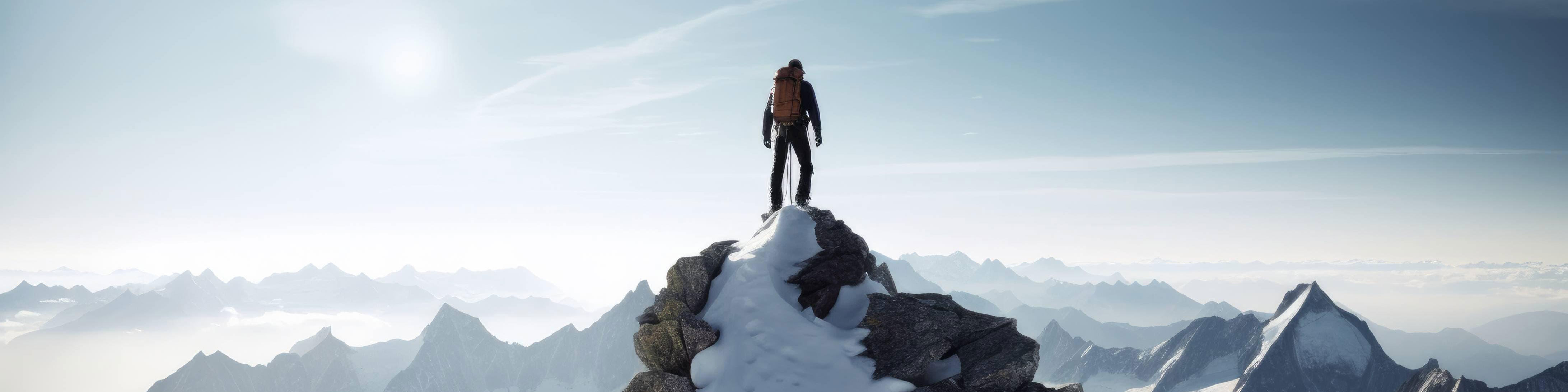

Whispers of the High Peaks
Journeying Through the Untold Corners of the Himalayas Where Silence Speaks Louder Than Glory
Looking Beyond the Shadow of Everest
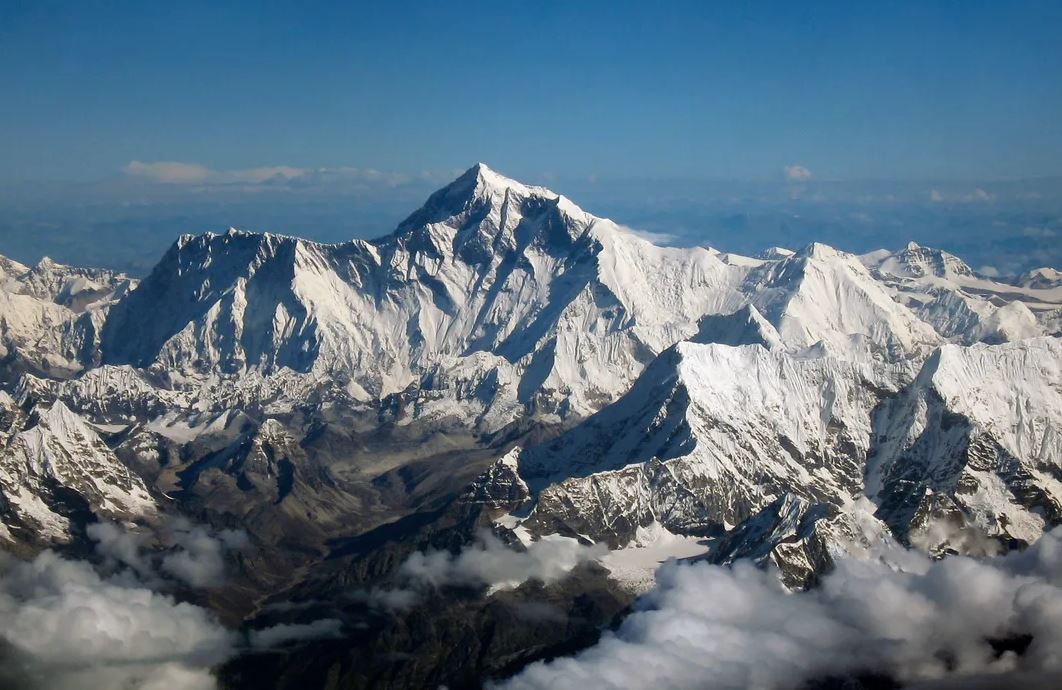
The Himalayas are vast, ancient, and alive, a colossal spine of stone and snow that stretches across Asia like the heartbeat of the earth itself. For most of the world, the name “Himalayas” immediately conjures images of Everest, the highest point on the planet and the ultimate symbol of human conquest. Yet Everest, magnificent as it is, tells only a fraction of the Himalayan story. Beyond its crowded routes and celebrated base camps lies a world untouched by fame, a world of hidden valleys, remote monasteries, and peaks that rise with quiet dignity instead of grandeur. These are the forgotten corners where culture, solitude, and raw wilderness coexist in ways that modern exploration rarely captures.
To venture beyond Everest is to rediscover the essence of adventure. The trails are rougher, the maps less certain, and the rewards far richer. Here, climbers and trekkers are not chasing records but revelations. The mountains outside Everest’s spotlight are less about reaching the highest point and more about understanding the depth of the landscape and the people who call it home. The Himalayas beyond Everest are not an escape from challenge but a return to purity, where every step is a dialogue between human curiosity and the silent wisdom of the peaks.
The Sacred Valleys of the Eastern Himalayas
In the eastern stretches of the Himalayan range lies a labyrinth of valleys and ridges often hidden behind thick mist and monsoon clouds. This is where Bhutan, Sikkim, and Arunachal Pradesh hold a landscape unlike any other, a place where mountains merge with myth. These regions have long resisted mass tourism, preserving a delicate balance between human life and nature. The valleys of Bumthang and Paro in Bhutan are dotted with monasteries perched on cliffs, their golden roofs glinting under morning light as if the sun itself were in prayer. Trails meander through forests of rhododendron, prayer flags flutter in unseen winds, and rivers carve through untouched gorges with a song that has no audience but the sky.
In Sikkim, the great peak of Kangchenjunga, the world’s third highest, stands as a guardian rather than a conquest. Locals consider it sacred, its summit off-limits to climbers out of respect for its divine status. The region’s trails, like those of Yuksom and Dzongri, invite exploration without expectation of dominance. Trekkers find themselves immersed not only in nature but in a culture that views the mountains as living entities, protectors rather than obstacles. This reverence transforms the experience into something profoundly human. The eastern Himalayas remind every traveler that beauty here is measured not in altitude, but in grace.
The Western Frontier: Ladakh and Zanskar
Travel westward, and the Himalayas take on a different face, harsher, drier, and more solitary. In the high-altitude deserts of Ladakh and Zanskar, the air feels thinner not only from altitude but from silence. The terrain shifts from lush valleys to barren expanses where rock and ice dominate the horizon. Yet within this austerity lies a beauty that feels almost spiritual. Monasteries cling to cliffs like ancient fortresses of thought, their whitewashed walls standing stark against a sky so deep it seems infinite. The people of this land, shaped by scarcity and devotion, carry a resilience that mirrors the mountains themselves.
Trekking routes such as the Chadar Trail, where travelers walk over the frozen Zanskar River in winter, offer experiences that blend danger with serenity. Each step across the glassy ice feels like an act of faith. When the sun reflects off the frozen surface, the world turns into a cathedral of blue light. Farther into Zanskar, ancient villages like Padum and Lingshed preserve a lifestyle untouched by time. There are no luxury lodges or crowds, only shared tea in cold monasteries and the echo of wind against rock. For those who venture here, the reward is not just the view but the sense of scale, of what it means to exist in a world where nature is absolute and the human presence is a whisper.
The Heart of Solitude: Nepal’s Hidden Regions
While Nepal is often synonymous with Everest, much of the country remains relatively unexplored. Beyond the Khumbu region, vast expanses of wilderness stretch north and west, offering adventures that rival the world’s highest mountain without the congestion. The Mustang region, once a forbidden kingdom, opens its ancient gates to those who seek culture as much as landscape. Here, arid cliffs hold caves carved thousands of years ago, filled with murals and relics of forgotten civilizations. The wind carries the voices of traders who once crossed these passes when this route connected Tibet to the Indian plains. The mountains of Mustang glow with shades of ochre and rust, and the sky above them is endlessly pure, unbroken by contrails or noise.
Further west, Dolpo remains one of the most remote corners of the Himalayas. Its turquoise lakes, high passes, and yak-herding villages feel suspended in another era. The Phoksundo Lake, surrounded by sheer cliffs, reflects the peaks in water so still it feels sacred. Travelers who come here must rely on patience rather than speed. Roads fade, paths disappear, and only persistence reveals progress. In Dolpo, every obstacle becomes an invitation to slow down and listen, to the rhythm of the wind, the distant bells of yaks, and the echo of your own breath. It is a place that strips away ambition until only awareness remains.
The Himalayan People and Their Enduring Spirit
The Himalayas are not empty. They are home to people who have lived among the peaks for centuries, adapting to thin air, isolation, and scarcity with grace and ingenuity. Beyond Everest, life follows ancient patterns that modernity has not fully replaced. Shepherds move with the seasons, carrying tents of yak wool and the quiet dignity of survival. Monks chant prayers that rise like smoke into the high passes, while children laugh in villages where roads end and paths begin. Each encounter becomes a reminder that adventure is not just about terrain but about connection. The generosity of a meal shared at 4,000 meters is worth more than any summit photo.
These communities are the guardians of the Himalayas’ living heritage. They know the mountains not as challenges but as companions. Their stories, passed through generations, bind geography to belief. In Bhutan, mountain spirits are honored with offerings before a climb. In Nepal, every prayer flag hung across a ridge carries hopes for balance and protection. The people of Ladakh and Zanskar live in harmony with scarcity, proving that endurance is not only physical but cultural. To explore the Himalayas beyond Everest is to enter a realm where humanity and nature coexist in fragile, profound equilibrium.
The Art of Traveling Slowly
To truly explore the Himalayas beyond Everest, one must embrace slowness. The terrain demands it, and the soul benefits from it. Modern travel often prizes efficiency, but in these mountains, speed is the enemy of experience. Each ascent teaches humility, each rest stop reveals a new horizon. The landscapes are too immense and the culture too intricate to be rushed. Walking becomes meditation, and the journey becomes an unfolding narrative rather than a checklist. The slower one moves, the deeper the connection becomes.
In remote Himalayan regions, there are no shortcuts. The air thins, the paths narrow, and the world seems to expand outward in quiet defiance of modern haste. Travelers learn to measure progress not in kilometers but in moments of stillness, the sight of snow swirling against distant peaks, the hum of prayer wheels in mountain monasteries, the warmth of tea shared by firelight. This patience transforms exploration into understanding. It allows the journey to shape the traveler rather than the other way around. In the Himalayas, slowness is not delay. It is devotion.
Preserving the Fragile Majesty
As more people seek to explore the Himalayas, the balance between discovery and preservation grows delicate. Beyond Everest lies a network of fragile ecosystems and ancient traditions that cannot withstand unchecked tourism. Trails erode, waste accumulates, and once-sacred places risk becoming spectacles. True adventurers carry responsibility along with curiosity. Sustainable exploration means traveling lightly, respecting local customs, and supporting communities rather than exploiting them. The Himalayas are resilient, but they are not invincible. Every visitor leaves an imprint, visible or unseen, and it is the traveler’s duty to ensure that imprint is gentle.
Conservation efforts across the region aim to protect biodiversity and cultural heritage. National parks, wildlife sanctuaries, and community-based tourism projects have begun to redefine what exploration means. Travelers are no longer just spectators but participants in preservation. By valuing authenticity over convenience and experience over comfort, they contribute to the survival of these wild places. The Himalayas remind humanity that beauty without respect becomes tragedy. To journey responsibly here is to honor both the mountains and the generations who have lived in their shadow with reverence and care.
Rediscovering Wonder in the Roof of the World
Exploring the Himalayas beyond Everest is not about turning away from the world’s tallest peak but about expanding the vision of what adventure can be. It is a reminder that the essence of exploration lies not in height but in depth, not in fame but in feeling. Beyond the crowded routes and commercial climbs, the true Himalayas breathe in silence. They exist in the untouched valleys, the solitary monasteries, and the unmarked trails where nature still speaks freely. Here, the journey is not about reaching the top but about listening to the world from within it.
Those who travel into these lesser-known ranges find something far greater than a summit. They find perspective. They find humility. They find the profound understanding that the world’s most extraordinary places do not need to be conquered, they only need to be respected. The Himalayas beyond Everest stand as a living poem, written not in words but in stone, wind, and light. To walk among them is to read a story older than time itself, and to carry its wisdom home in the quiet heart of every step.