

Grounded Steps and Endless Paths
A Complete Guide to Choosing Hiking Boots That Match Every Trail and Every Journey
The Foundation of Every Adventure
Every great hike begins long before the first step on the trail. It begins with what you wear on your feet. The right hiking boots are not simply equipment, they are the silent partners that determine whether a journey becomes an exhilarating escape or a painful endurance test. Choosing the right pair means understanding your body, your terrain, and your goals. The perfect boots are not necessarily the most expensive or the most rugged. They are the ones that fit your path, your stride, and your spirit of exploration.
Good footwear creates the bridge between comfort and confidence. It protects against blisters, stabilizes uneven ground, and supports every ascent and descent. Hikers who underestimate their boots often find themselves distracted by discomfort instead of immersed in scenery. Selecting the right pair is not about following trends but about listening to the language of your feet and the demands of the land beneath them.
Understanding Terrain and Boot Types
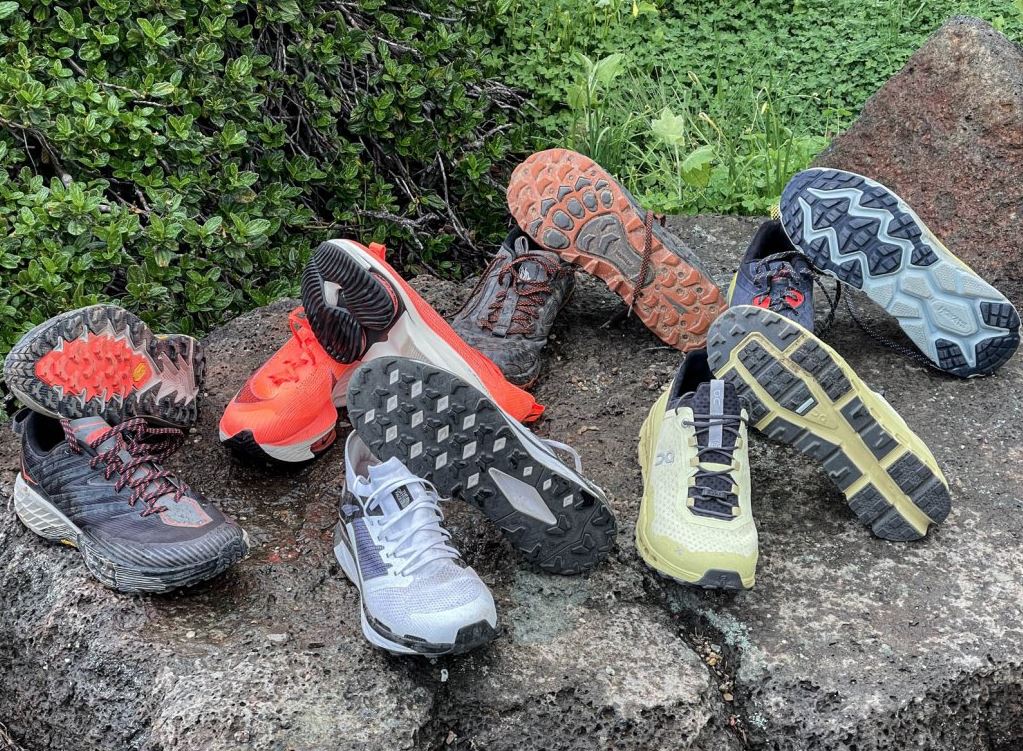
Not all trails are created equal. Some twist through soft forest soil, others climb over jagged stone, and some cut through dry deserts or muddy mountain passes. Each surface speaks its own dialect of difficulty. To match the environment, boots come in several distinct styles, each with its own purpose and feel. Trail shoes, for example, are light and flexible, ideal for maintained paths and short excursions. They feel more like running shoes than traditional boots, offering freedom of movement for fast-paced hikers.
Mid-cut boots, on the other hand, add ankle support without excess weight. They are perfect for moderate trails where rocks and roots demand awareness but not full protection. For demanding treks across unstable or steep terrain, high-cut backpacking boots provide the stability needed for carrying heavier loads. Their stiffness may feel restrictive at first, but it prevents fatigue and injury during multi-day journeys. The key is to match the boot’s design to the terrain’s demands, not to the advertisement on the box.
The Anatomy of a Reliable Boot
Every part of a hiking boot contributes to its performance. The outsole is the first line of defense against slipping and skidding. Deep lugs and hard rubber compounds give traction on rocky or muddy ground, while shallower tread patterns suit dry, even paths. The midsole determines comfort and shock absorption, often made of EVA foam or polyurethane to cushion impact. A supportive midsole can make the difference between finishing a long trail smiling or limping.
The upper part of the boot protects the foot from elements and abrasions. Leather provides durability and water resistance, while synthetic materials offer flexibility and breathability. Many modern boots combine both, creating a balance between toughness and comfort. The insole and lacing system are often overlooked, but they are vital for fine-tuning fit. A secure lacing pattern prevents sliding and blistering, while a quality insole distributes weight evenly, reducing pressure on arches and heels. When all these components align, the result is a boot that feels like an extension of your body rather than an obstacle to your movement.
Fit Is Everything
No feature matters more than fit. Even the most advanced boot becomes useless if it pinches, slides, or rubs. A good fit begins with accurate sizing, which can vary between brands. Try boots later in the day when feet are slightly swollen, simulating how they will feel after hours of hiking. Wear the same socks you plan to use on the trail, as thickness affects interior space. The heel should stay firmly in place, while toes need enough room to wiggle but not to slide forward on descents.
Break-in periods are crucial. New boots, especially leather ones, need time to mold to your foot shape. Start with short walks around your neighborhood or local park. Gradually increase distance and load to allow the materials to soften and adapt. Rushing this process often leads to blisters and frustration. A well-fitted, well-worn boot becomes a personal tool, shaped by the unique way you walk and the terrain you love to explore.
Weatherproofing and Breathability
Trails rarely offer predictable conditions. Rain can turn dust to mud, snow can hide crevices, and sun can dry out even the most resilient material. Choosing boots that handle moisture and temperature properly is essential. Waterproof membranes such as Gore-Tex or eVent create barriers against water while allowing vapor to escape, keeping feet dry without overheating. However, full waterproofing can trap heat during hot summer hikes, causing discomfort and sweat. For arid climates, breathable mesh panels may be more beneficial than complete protection.
Maintenance plays a large role in performance. Dirt and salt can degrade waterproof coatings, so regular cleaning extends a boot’s lifespan. Applying conditioner to leather prevents cracking, while reapplying water-repellent sprays restores resistance after months of use. Caring for your boots is part of caring for your adventure. The more attention you give them, the more they give back in reliability and comfort when nature decides to surprise you.
Weight, Support, and Endurance
Weight influences every step you take. Lightweight boots or trail shoes reduce fatigue and allow faster movement, ideal for day hikes or low-altitude routes. However, heavy-duty boots offer crucial protection for technical climbs or multi-day expeditions with heavy packs. The challenge is finding balance. Too much rigidity can make a short hike uncomfortable, while too little structure can make a long trek unsafe. Support should match the weight of your gear and the unpredictability of the trail.
Consider how your body moves under different conditions. Some hikers have strong ankles and can safely use low-cut shoes on rugged terrain. Others need reinforced cuffs to prevent twists. The correct combination of support and flexibility feels almost invisible once you start moving. Your stride becomes fluid, and you begin to focus not on the boot but on the landscape. The right balance between stability and comfort transforms hiking from endurance into enjoyment.
Eco-Friendly and Ethical Choices
In recent years, sustainability has become a priority in outdoor gear design. Many brands now produce boots using recycled materials, plant-based dyes, and responsibly sourced leather. Choosing environmentally conscious footwear not only supports ethical production but also ensures that the places you explore remain beautiful for future generations. The carbon footprint of manufacturing is significant, but when hikers choose durable products and repair rather than replace them, they contribute to conservation with every step.
Ethical choices extend beyond materials. Some companies now partner with reforestation or trail maintenance projects, reinvesting profits into the natural world that inspires their products. Supporting such initiatives turns a simple purchase into participation in a larger movement of preservation. As explorers, hikers carry a responsibility to protect what they love. The journey toward sustainability begins at the soles of our feet.
Testing Before the Trail
Never let your first hike be your first test. Try boots on various surfaces before venturing far. Walk on gravel, grass, and inclines to check stability and traction. Flex the sole to ensure it bends naturally with your step. If possible, wear your loaded backpack while testing to feel the real distribution of weight. Paying attention during this stage saves discomfort later and builds confidence before remote treks where replacement is impossible.
Testing also helps identify small issues that may worsen with distance. A seam that rubs slightly during a five-minute walk can become unbearable after five hours. A loose lace hook may cause tripping or uneven support. Early testing reveals the language of your boots before they are needed to perform. This preparation transforms gear from equipment into trust, allowing you to focus on the experience rather than the fit.
Finding the Pair That Carries You Forward
In the end, the right hiking boots do more than protect your feet. They shape how you experience the journey. Every sound of gravel, every climb, and every descent passes through them. They are the link between your intention and the landscape, between imagination and reality. Choosing wisely means choosing to care for your comfort, safety, and spirit of adventure. Whether you walk forest trails, mountain ridges, or desert sands, the best pair of boots will not only support you, they will carry your story. Every scuff and scratch will mark not wear, but memory, a map of places where your feet and the earth have met in quiet understanding.