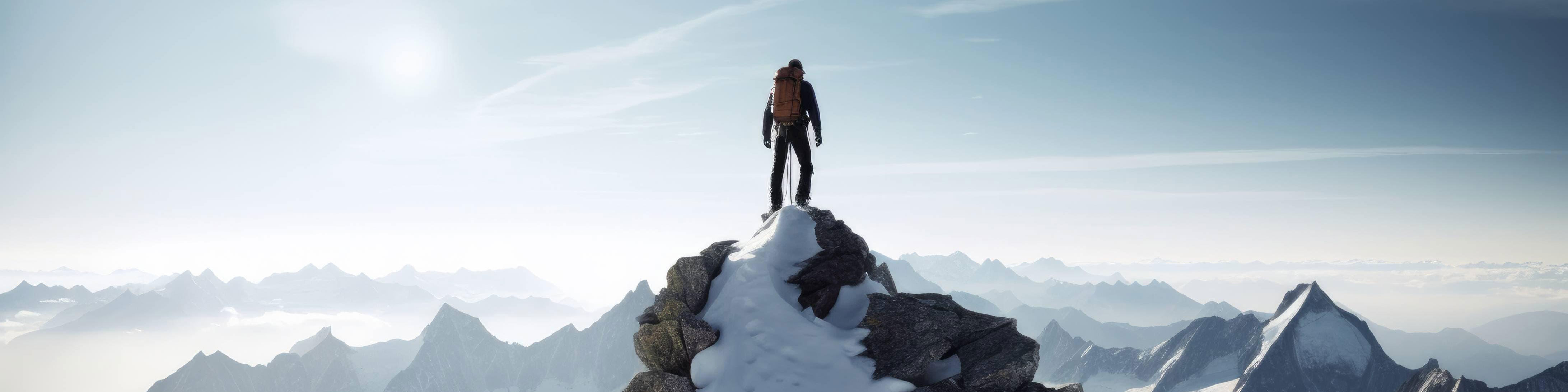

The Allure of Winter Summits
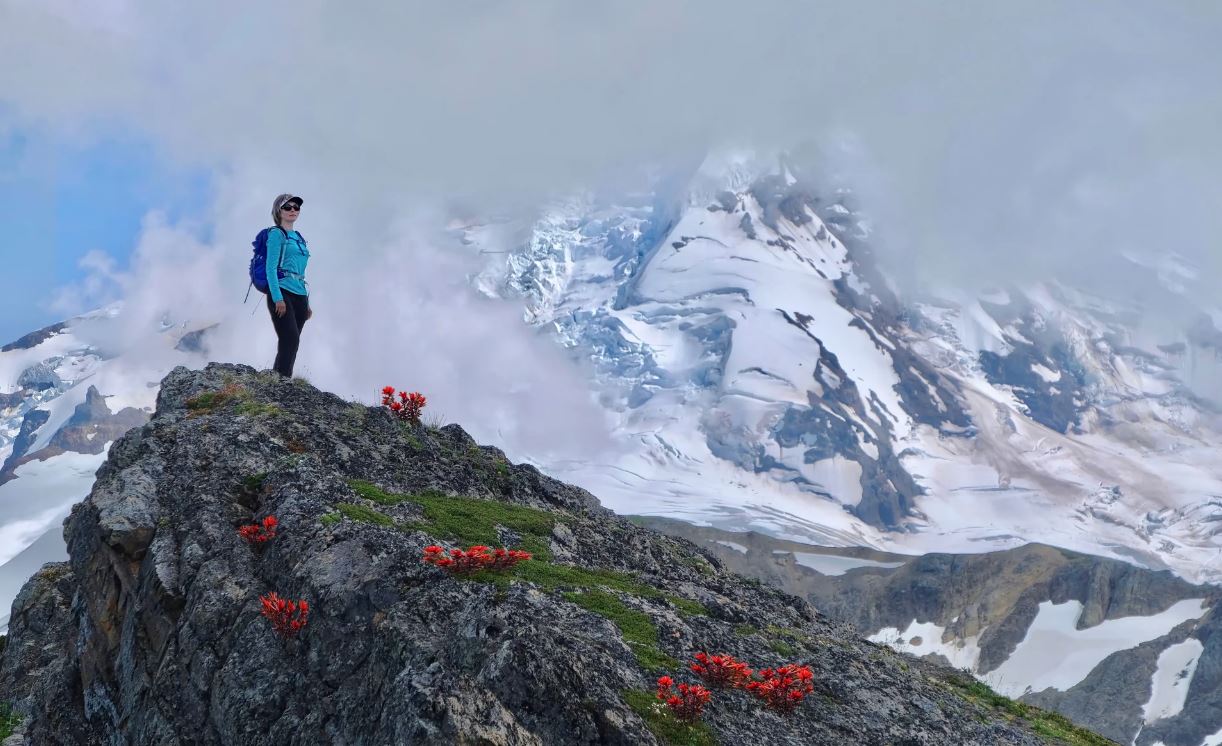
How the Coldest Season Transforms the Spirit of Adventure into a Test of Resilience and Wonder
The Call of the Frozen World
There is something profoundly magnetic about the silence of winter mountains. The same peaks that swarm with life and color in summer become vast, glimmering sanctuaries of solitude when the temperature drops. Every sound softens, every detail sharpens, and even the wind carries a different kind of rhythm. For those who seek adventure not in comfort but in challenge, the winter ascent represents the purest form of communion between human endurance and nature’s stark majesty. It is not about conquering the elements but learning to exist alongside them, to respect their raw beauty and their indifference.
Many adventurers avoid the mountains once snow begins to fall, trading the unpredictable for the familiar. Yet, hidden within the frozen ridges and icy trails lies a deeper experience that summer can never replicate. Winter alters everything, light, sound, breath, and time itself. Climbing in these conditions forces one to slow down, to focus not on speed or height, but on awareness. The air bites harder, the steps echo louder, and each decision carries the weight of consequence. To ascend in winter is to step outside not just of the ordinary world, but of one’s own limitations. It is to embrace discomfort as teacher and solitude as companion.
The Transformative Power of Adversity
What makes a winter ascent so transformative is not the summit itself, but the journey through resistance. Cold exposes more than just the physical boundaries of strength; it reveals the inner architecture of will. The body trembles, the mind questions, and the landscape tests resolve in ways that are both brutal and enlightening. Every frozen gust becomes a dialogue between ambition and humility. Those who endure discover not just survival skills, but a deeper sense of clarity and gratitude for the simplest things, warmth, sunlight, movement, breath.
Adversity in this setting refines the soul. The climber learns patience while waiting out storms that could last for days. They learn silence while trudging through snow that muffles the world to a whisper. Most of all, they learn respect for nature’s balance. In winter, the mountain strips away illusions of control. It allows no shortcuts, no easy victories. Yet, it rewards persistence with a serenity that few will ever know. When the clouds part and the frozen world gleams beneath a sunrise of fire and gold, every hardship feels like a passage into something sacred.
Preparing for the Cold: The Science of Survival
Preparation for a winter ascent goes far beyond simple packing. It begins with an understanding of how the body behaves in extreme cold and how gear can serve as a second skin rather than an accessory. Layering becomes a craft in itself. A moisture-wicking base layer keeps sweat from freezing against the skin. An insulating mid-layer traps heat while maintaining breathability. The outer shell acts as armor against wind and snow, designed to protect without suffocating movement. Mistakes in this system are not inconveniences, they are risks that can quickly escalate to danger.
Nutrition and hydration play equally crucial roles. In cold environments, the body burns calories at an accelerated rate simply to maintain core temperature. Fat-rich foods provide long-term energy, while frequent snacks prevent fatigue. Hydration is paradoxically more challenging, as thirst diminishes even while dehydration increases. Warm fluids, insulated containers, and steady intake prevent frostbite and exhaustion. Even rest becomes strategic, for sleeping in subzero temperatures requires careful insulation and awareness of humidity buildup inside tents. Every action in the cold must balance efficiency and safety. The winter climber becomes part strategist, part artist, moving through a landscape where precision equals survival.
The Beauty That Belongs Only to Winter
Beyond hardship and caution lies the reward that only the coldest season can offer. Winter reveals a kind of beauty that feels ancient and untouched. Snow transforms jagged cliffs into sculptures of light. Frozen waterfalls hang like crystal cathedrals, their forms shifting with every sunrise. The horizon stretches infinite and white, merging earth and sky into a single dreamlike expanse. Even the smallest details, frost on branches, ice patterns beneath boots, breath turned to mist, feel monumental. The world seems reborn, stripped of excess, distilled into purity and form.
In these moments, adventure becomes something deeper than thrill-seeking. It becomes meditation. Each step through the snow creates a rhythm that aligns with the heartbeat of the planet. The solitude that once intimidated now comforts, as if the mountains themselves acknowledge the traveler’s presence. In the stillness, one realizes that the cold does not seek to harm but to remind, to remind humanity of its fragility, its adaptability, and its belonging to a larger, more eternal world. The silence of a frozen ridge can feel more alive than any city street or crowded trail. It is the sound of existence reduced to its essence.
Mastering the Elements Through Mindset
Success in a winter ascent depends as much on psychology as on gear or fitness. The cold does not merely test muscle, it tests focus. Mental endurance becomes the bridge between safety and despair. A climber must learn to recognize fear without surrendering to it, to use discomfort as a signal rather than an obstacle. Meditation, visualization, and deliberate breathing techniques help regulate panic in moments when the storm blinds or the frost bites too deep. The mountain does not yield to impatience. Those who rush or panic risk everything. Those who adapt and observe endure.
Equally important is the ability to find joy in challenge. There is a strange satisfaction in pitching a tent under a veil of snow or melting ice for drinking water as auroras shimmer above. These small victories transform suffering into strength. They teach the mind that hardship is not the enemy of happiness, but its foundation. A winter climber who learns to appreciate the process, not just the summit, gains insight that carries beyond the mountain. The patience forged in freezing winds becomes a philosophy that shapes life itself. Every struggle becomes less a burden and more a teacher.
The Technical Art of Climbing in Ice
Winter mountaineering is not simply hiking in colder conditions. It is an entirely different discipline that demands technical precision and constant awareness of physics. Ice axes, crampons, and ropes become extensions of the body. Learning to read the snowpack, to recognize the difference between firm crust and hidden crevasse, becomes a language of survival. Ice climbing adds another dimension, vertical movement across walls that shimmer with fragility. Every strike of the pick must balance force and finesse. Too hard, and the ice fractures; too soft, and the grip fails. Progress is measured not just in meters, but in mastery of rhythm and balance.
Even simple movements become deliberate acts of calculation. Foot placement determines efficiency, rope management ensures safety, and anchoring techniques must adapt to changing ice conditions. Climbers often describe these moments as pure concentration, where awareness of cold or fatigue disappears, replaced by flow. The physical becomes instinctive, the technical becomes artistic. For those who fall in love with winter climbing, this fusion of skill and serenity becomes addictive. Each ascent becomes not a battle against nature, but a dance with it, where every motion echoes harmony between precision and respect.
Witnessing the Night: The Arctic Glow and the Infinite Sky
One of the great privileges of a winter ascent is the night itself. Far from city lights, under the vast emptiness of frozen sky, the stars appear closer and brighter than ever imagined. The Milky Way cuts across the heavens in a silver trail, and the aurora paints colors that defy description. In the quiet between gusts of wind, even the air seems to shimmer. Many climbers describe these moments as spiritual, a sense of standing not beneath the sky, but within it. To camp high on a snow-covered ridge and watch the lights dance across the horizon is to feel both small and infinite at once.
Winter transforms night into something sacred. The moonlight reflects off snowfields, creating a pale luminescence that glows like daylight. Shadows lengthen and bend in surreal ways, giving the landscape an otherworldly character. It is a time of reflection, not movement. The climber sits wrapped in layers, sipping warm tea, feeling the pulse of the earth beneath their sleeping mat. In those hours of stillness, one begins to understand why the ancients revered mountains as living beings. The cold strips away distraction, leaving only truth. In winter, the mountains do not just stand before you, they speak.
The Gift of the Frozen Ascent
A winter ascent is not for everyone, and that is what makes it sacred. It demands patience, respect, and courage in equal measure. Yet for those who answer its call, it offers rewards that no summer climb can equal. The cold clarifies purpose. The hardship refines strength. The silence restores perspective. Above all, the experience reconnects the adventurer with something primal, the instinct to survive, to explore, to grow. In the frozen stillness of the high peaks, every heartbeat becomes a promise, every breath a reminder of life’s fragility and power. To climb in winter is to step beyond fear and find beauty in its purest form, waiting quietly beneath the snow.