

Breathing Beyond the Horizon
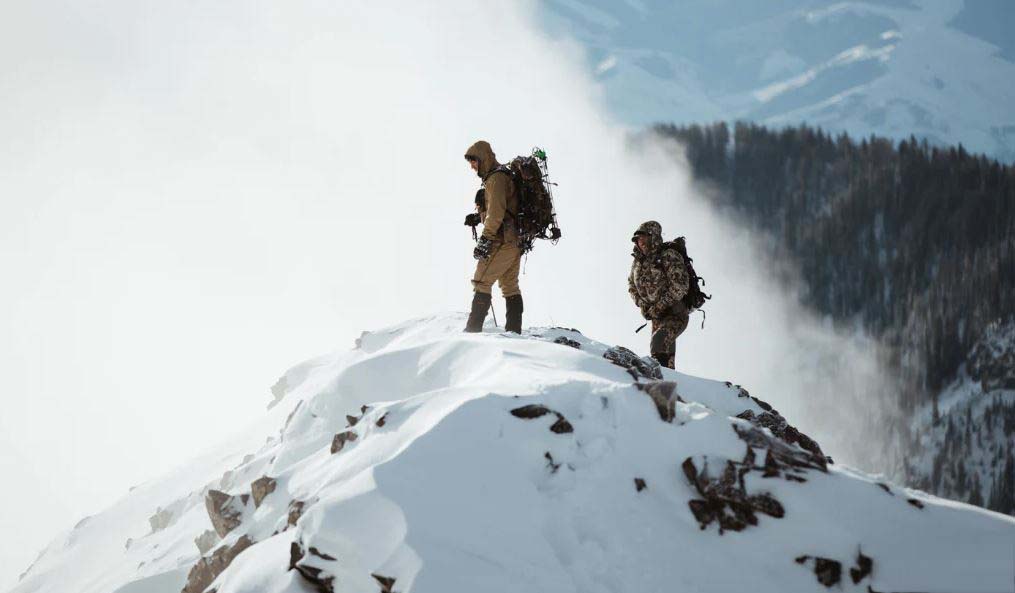
Mastering High-Altitude Strength and Endurance While Training at Sea Level
Understanding the Challenge of the Thin Air
High-altitude climbing is one of the greatest physical and psychological challenges in the world of adventure. Above the tree line, every breath becomes a negotiation, every step a test of determination. The human body is designed for oxygen-rich environments, but mountains above 2,500 meters gradually strip that luxury away. The air thins, the heart races, and even the simplest movements demand focus. Training for this environment while living at sea level requires more than physical fitness, it demands creativity, discipline, and an understanding of human adaptation.
At sea level, oxygen levels hover around 21 percent, while at extreme altitudes they can fall below 10 percent. This difference drastically alters how muscles, lungs, and the cardiovascular system function. Climbers must prepare not only to move efficiently, but also to survive in conditions where the body constantly fights for equilibrium. While few can afford to live and train full-time at altitude, the good news is that with the right strategy, much of this adaptation can be replicated closer to home. The key lies in training the body to use oxygen more effectively, to sustain energy longer, and to build mental toughness against fatigue and isolation.
Building the Foundation: Cardiovascular Strength
Endurance is the cornerstone of any high-altitude training plan. When oxygen is scarce, the heart and lungs must work harder to deliver it to the muscles. The stronger and more efficient these systems are, the better the body will perform in thin air. Long, steady-state aerobic exercises such as running, swimming, rowing, or cycling should form the foundation of any training regimen. These activities strengthen the heart, expand lung capacity, and improve circulation without overloading the body with lactic acid buildup.
Interval training amplifies this effect. By alternating between periods of high intensity and recovery, climbers simulate the physical demands of rapid elevation gain. For example, short bursts of uphill sprints followed by active recovery mimic the stop-and-go rhythm of mountain ascent. Over time, this trains the body to recover faster and sustain effort longer. Including at least one long-duration endurance session per week, lasting between 90 minutes and three hours, builds stamina for expedition-length climbs. The goal is not speed but efficiency, teaching the body to perform steadily and confidently over long periods of exertion.
Strength Training for Vertical Power
While endurance keeps you moving, strength ensures you can carry the weight of your pack and climb efficiently on varied terrain. The physical strain of ascending with heavy gear, often over uneven rock, ice, or snow, requires a balance of power and control. Compound movements such as squats, lunges, deadlifts, and step-ups build lower body strength that translates directly into climbing performance. These exercises engage the core, hips, and stabilizing muscles that maintain posture and balance during steep ascents.
Upper body training should not be neglected. Pull-ups, rows, and push-ups develop the arms and shoulders for ice axe handling, rope work, and pulling on mixed terrain. The goal is to create functional strength rather than bulk, as excessive muscle mass can increase oxygen demands without improving performance. Core training also plays a vital role. A strong core stabilizes the body under load, prevents injuries, and enhances endurance by improving breathing efficiency. Every movement should simulate the demands of climbing, controlled, deliberate, and grounded in balance rather than brute force.
Simulating Altitude: Creative Approaches at Sea Level
Although nothing can perfectly mimic the physiological effects of altitude, several strategies can help the body prepare for lower oxygen environments. One popular method is hypoxic training, which involves exercising with a reduced oxygen supply. Specialized altitude masks and hypoxic chambers simulate thinner air by restricting airflow or reducing oxygen concentration. These tools train the respiratory system to adapt to limited oxygen availability, encouraging the production of red blood cells and improving oxygen utilization.
For those without access to such equipment, environmental manipulation can still be effective. Hill sprints, stair climbs, and weighted pack hikes force the body to work harder with each movement. Training in heat can also provide benefits, as it increases plasma volume and cardiovascular efficiency. Sleep and rest patterns can be adjusted to replicate expedition conditions, where rest is often fragmented and recovery time limited. The aim is not to exhaust the body but to expose it to controlled stress that strengthens adaptability and resilience. Over time, this approach conditions both the body and the mind for the challenges ahead.
Respiratory Conditioning: Learning to Breathe Efficiently
Breathing may be instinctive, but efficient breathing is a skill that can be trained. At altitude, shallow breaths lead to rapid fatigue and dizziness, while deep, rhythmic breathing maintains stability and focus. Climbers must learn to regulate breath under stress, conserving energy while maintaining oxygen flow. Diaphragmatic breathing exercises strengthen the lungs and improve oxygen exchange efficiency. Practicing slow inhalations through the nose, followed by controlled exhalations through the mouth, trains the body to extract more oxygen from each breath.
Incorporating breath-hold training can also be beneficial. Short, controlled intervals of limited breathing during light exercise increase tolerance to carbon dioxide and enhance lung capacity. Yoga and meditation complement these techniques by promoting awareness of breath and calm under strain. In mountaineering, panic and shallow breathing often accelerate fatigue. Training to remain composed, even when the body signals distress, becomes an invaluable skill. The climber who controls their breathing controls their performance, especially when the air turns thin and time stretches with each step.
Nutrition and Hydration for Altitude Readiness
The body’s fuel efficiency plays a crucial role in high-altitude performance. Proper nutrition supports endurance, recovery, and adaptation. Carbohydrates remain the primary source of energy at altitude, as they require less oxygen to metabolize than fats or proteins. Incorporating complex carbohydrates like oats, rice, and whole grains ensures a steady energy supply without spikes and crashes. Protein aids in muscle repair, while fats contribute to long-term energy during extended expeditions. Balanced meal planning during training establishes habits that translate smoothly to the mountain environment.
Hydration, often overlooked, is critical. At altitude, dehydration occurs faster due to increased respiration and dry air. Training the body to maintain hydration during exertion helps prevent fatigue and altitude sickness. Electrolyte-rich drinks replenish sodium and potassium lost through sweat, maintaining fluid balance and muscle function. Caffeine and alcohol, while tempting, should be minimized, as both can contribute to dehydration. The principle is simple yet vital: every cell performs better when adequately nourished and hydrated. This is especially true where each breath and movement demands more from the body than usual.
Mental Conditioning: Endurance of the Mind
Physical fitness alone cannot conquer altitude. The mind, when untrained, can falter long before the muscles do. Mental endurance must be cultivated deliberately, as it often determines success more than physical strength. Training should include psychological preparation for isolation, discomfort, and uncertainty. Visualization techniques allow climbers to anticipate challenges, from blinding snowstorms to fatigue during night ascents. Imagining these situations and rehearsing calm, effective responses builds familiarity that reduces panic in real scenarios.
Resilience grows through gradual exposure to discomfort. Training in poor weather, carrying heavy loads, or extending workout duration beyond comfort zones teaches the mind to accept and adapt. Meditation and mindfulness strengthen focus and awareness, allowing climbers to remain grounded when exhaustion sets in. The greatest climbers often describe their ascents not as battles against the mountain, but as negotiations with themselves. The mind must become both compass and anchor, guiding the body through the disorienting space between determination and exhaustion.
Simulating Expedition Conditions
Even at sea level, it is possible to recreate elements of expedition life to build familiarity and resilience. Multi-day training hikes with full packs simulate the strain of long climbs, testing not only endurance but also recovery between sessions. Camping outdoors in cold or windy conditions trains the body to adapt to fluctuating temperatures and sleep deprivation. Practicing early starts, night hikes, and extended physical activity without comfort builds the mental rhythm required for summit pushes that often begin before dawn.
Gear testing is also essential. Using the same boots, layers, and equipment planned for the expedition ensures that everything fits comfortably and functions properly under stress. Familiarity reduces mistakes and saves energy. A climber who knows exactly where every tool sits in their pack moves with confidence and precision. The goal is to transform the unknown into routine, minimizing surprises when facing real altitude. The more familiar each element becomes, the more mental energy can be reserved for adaptation and decision-making on the mountain itself.
Recovery: The Forgotten Element of Strength
Training intensity means little without recovery. Muscles, tendons, and the cardiovascular system adapt during rest, not exertion. Overtraining at sea level can lead to exhaustion and weakened immunity, both of which compromise altitude readiness. Structured rest days, adequate sleep, and active recovery through stretching or yoga keep the body balanced. Techniques such as cold immersion and compression therapy enhance circulation and reduce inflammation, accelerating healing between sessions.
Recovery is not laziness, it is strategy. At altitude, recovery becomes even more limited, so conditioning the body to repair efficiently before the climb is vital. Listening to the body’s signals prevents long-term injury and ensures longevity in training. Mental recovery also deserves attention. Spending time in nature, maintaining social connections, and engaging in reflective practices restore motivation and focus. Climbing is as much about sustainability as it is about strength, and recovery ensures that energy, both physical and emotional, remains renewable.
The Sea-Level Path to the Summit
Training for high-altitude climbing while living at sea level is an exercise in dedication and imagination. It requires blending science, discipline, and creativity into a program that mimics the mountain’s demands without ever touching its slopes. Through endurance building, strength training, breathing mastery, and mental conditioning, climbers can prepare their bodies and minds for the thin air that awaits. The essence of preparation lies not in replicating altitude, but in mastering adaptability. When the time comes to climb, the lungs may still ache and the air may still feel scarce, but the body will remember its training, and the mind will recognize the rhythm of the climb. In that moment, the summit becomes not a distant goal, but a reflection of the preparation, persistence, and passion that began long before the first step upward.