

Frozen Frontiers - The Art of Surviving the Endless Winter
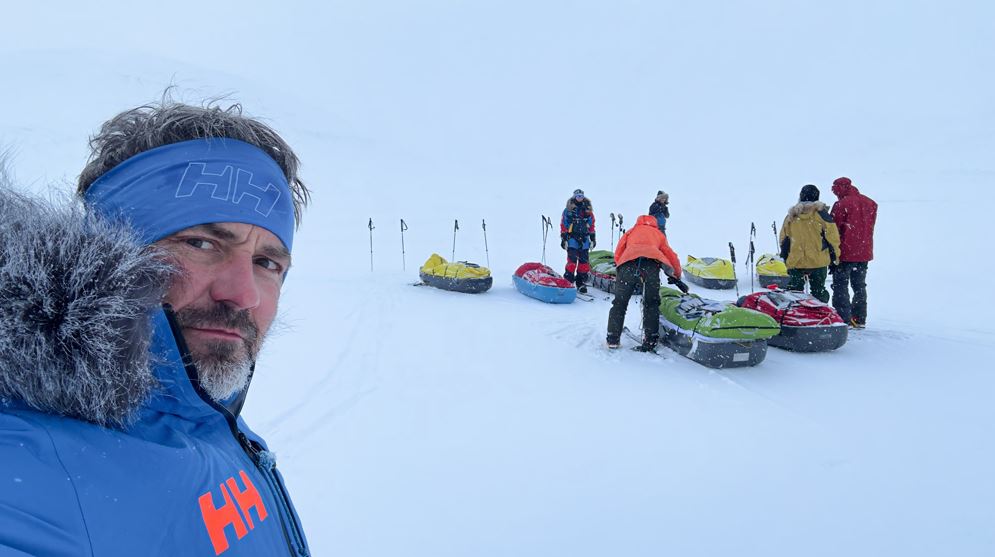
Understanding How to Prepare, Endure, and Thrive in the Harsh World of Arctic Exploration
The Call of the Cold
There is a unique kind of silence that lives in the Arctic. It is not the absence of sound, but the presence of stillness so deep that it echoes through the mind. For centuries, this frozen wilderness has drawn explorers, scientists, and dreamers who seek to test the boundaries of human endurance. Arctic expeditions are not just journeys across snow and ice, they are voyages into isolation, where preparation and discipline mean the difference between awe and danger. The extreme cold does not forgive mistakes, but it rewards respect and resilience with moments of beauty unlike any other on Earth.
Preparing for such an environment requires more than courage. It demands an understanding of physics, physiology, and patience. Cold is not simply temperature, it is an active force that invades, drains, and transforms everything it touches. The Arctic tests not only the body but also the will to adapt. Each step in preparation, from equipment to mindset, becomes a lesson in humility. Those who underestimate the cold often learn too late that the Arctic does not tolerate improvisation. Every detail matters, every choice counts, and survival begins long before the expedition sets foot on the ice.
Building the Right Mindset for Polar Exploration
Before the first layer of gear is packed, an Arctic expedition begins in the mind. The human body can adapt to low temperatures through proper conditioning, but mental endurance often determines success. The Arctic isolates in ways few places can, surrounding travelers with endless white horizons and the monotony of frozen landscapes. Days blend together under a sun that never rises or never sets, depending on the season. Maintaining focus, morale, and clarity in such an environment is a psychological feat as much as a physical one.
Preparation should include mental visualization and cold exposure training. Spending time in progressively lower temperatures helps the body and mind adjust to discomfort. Learning to stay calm when frostbite threatens or when navigation equipment freezes builds trust in discipline. Group dynamics also play a critical role. Expedition members must understand how stress, fatigue, and fear affect teamwork. In the Arctic, emotional control becomes as important as technical skill. Every decision must be measured and deliberate, for even small errors can cascade into serious consequences. The right mindset does not fight the environment but flows with it, adapting rhythm and expectations to nature’s pace.
Mastering the Layering System for Extreme Cold
In subzero environments, clothing is more than fabric, it is survival engineering. The layering system remains the cornerstone of Arctic attire, a precise method of regulating temperature while managing moisture. The first layer, known as the base layer, should wick sweat away from the skin. Synthetic materials or merino wool excel in this role, keeping the body dry even under exertion. Cotton, however, is a silent enemy, as it traps moisture and accelerates heat loss once wet.
The second layer, or mid-layer, insulates by trapping warm air close to the body. Fleece, down, or synthetic fills provide this insulation, but the choice depends on activity and weather. Down offers superior warmth but loses efficiency when damp, while synthetics maintain insulation even in moisture. The outer layer, often called the shell, serves as armor against wind, snow, and freezing rain. It must be waterproof yet breathable, durable enough to resist sharp ice and flexible enough to allow movement. Gloves, face masks, and insulated boots complete the ensemble, creating a barrier between the explorer and the elements. Every layer works together, creating a living system of protection that adjusts with effort and exposure.
Food, Hydration, and the Science of Warmth
Fueling the body in extreme cold is both science and art. The Arctic consumes calories at an astonishing rate, with the body burning through energy simply to maintain core temperature. A hiker who burns 3,000 calories a day in mild conditions may need 6,000 or more in the Arctic. High-fat and high-carbohydrate foods become essential, as fat provides slow, sustained energy while carbohydrates offer quick bursts of heat. Freeze-dried meals, nuts, cheese, and energy bars become staples not because of convenience but because of their density and stability in freezing conditions.
Hydration is equally critical but often overlooked. The cold dulls thirst, yet dehydration sets in quickly due to dry air and constant respiration through cold wind. Melting snow for water requires careful attention, as drinking unmelted snow lowers core temperature dangerously fast. Using insulated bottles and storing them close to the body prevents freezing. Adding electrolytes and consuming warm beverages helps maintain balance and morale. In the Arctic, food and water are not just sustenance, they are heat sources, morale boosters, and anchors of routine in an unpredictable landscape.
Essential Gear Beyond Clothing
Proper clothing forms the foundation of Arctic survival, but the supporting equipment transforms preparation into performance. A reliable tent designed for polar conditions must resist both blizzards and high winds, with reinforced poles and low-profile shapes that distribute force evenly. Inside, insulated sleeping pads and high-grade sleeping bags rated for subzero temperatures create a small haven of warmth. Every night in the Arctic is a negotiation between fatigue and frost, and quality gear tips the balance toward comfort and safety.
Navigation tools require special adaptation. Traditional GPS devices and batteries lose power rapidly in cold temperatures. Keeping electronics insulated and close to the body preserves their function. Backup systems such as compasses and paper maps remain essential, as magnetic variations near the poles can interfere with digital accuracy. Headlamps with lithium batteries outperform alkaline types, providing dependable light when darkness stretches for days. Every tool must be chosen for reliability under stress, because the Arctic leaves no room for malfunction.
Training the Body for the Cold
The human body can adapt remarkably well to cold through deliberate training. Building endurance, strength, and cold resistance reduces risk and improves performance during an Arctic expedition. Cardiovascular fitness supports circulation, ensuring oxygen reaches extremities that are vulnerable to frostbite. Strength training, especially for legs and core, enhances stability when hauling heavy sleds or moving through deep snow. Balance exercises prepare for the unpredictability of icy terrain, where even a single misstep can result in injury.
Acclimatization is perhaps the most underestimated aspect of physical preparation. Gradual exposure to cold conditions teaches the body to regulate temperature more efficiently. Breathing exercises improve lung capacity in dry, thin air, while flexibility routines reduce stiffness caused by layered clothing and repetitive motion. Training should also simulate expedition routines, such as setting up camp with gloves or managing gear while fatigued. The goal is not just physical readiness but the development of instinctive efficiency, where every movement conserves energy and prevents unnecessary exposure to the elements.
Understanding and Preventing Cold Injuries
Frostbite, hypothermia, and trench foot remain constant threats in the Arctic, yet each can be prevented through awareness and discipline. Frostbite occurs when skin and tissue freeze, typically on fingers, toes, nose, and ears. Recognizing early symptoms such as numbness, tingling, and discoloration allows for quick intervention. Warming affected areas gradually and avoiding friction prevents permanent damage. Hypothermia, the more insidious danger, develops when the core body temperature drops below normal. Shivering, confusion, and fatigue are early warning signs. Once mental clarity fades, the risk of fatal mistakes increases dramatically.
Preventing these conditions relies on maintaining the delicate balance between exertion and insulation. Overheating leads to sweating, which can chill the body once movement stops. Regularly adjusting layers, monitoring companions, and maintaining hydration protect against these dangers. Footwear maintenance is equally vital, as wet or compressed boots can cause circulation loss. Prevention in the Arctic is proactive rather than reactive. The body must be observed constantly, and small discomforts must never be ignored. Awareness, communication, and preparation become the invisible shields against the cold’s quiet assault.
Navigation and Survival in Whiteout Conditions
Few phenomena test a traveler’s resolve like a whiteout. When sky and ground merge into a seamless void, orientation becomes almost impossible. Without visual references, even experienced explorers can walk in circles. Navigating in such conditions requires reliance on instruments, discipline, and patience. GPS devices, when protected from freezing, provide crucial guidance, but physical markers such as snow stakes or rope lines between team members ensure cohesion in near-zero visibility.
During prolonged whiteouts, movement may be too dangerous. Building a temporary shelter and conserving warmth often outweighs the risk of progress. Snow shelters, if constructed correctly, provide insulation and protection from wind. Inside, maintaining morale becomes just as important as maintaining heat. Reading, conversation, or simple routines prevent the psychological effects of isolation from taking hold. The key to surviving whiteouts is not to conquer them, but to wait them out with composure and strategy.
The Role of Technology and Communication
Modern expeditions benefit greatly from technology, but reliance must always be tempered with redundancy. Satellite phones and communication beacons enable contact with rescue services even in remote Arctic regions, yet extreme cold can render them unreliable without proper care. Storing electronics in insulated pouches with chemical warmers preserves battery life. Solar chargers, while limited during polar night, provide sustainable energy during brighter seasons. Digital mapping systems, weather sensors, and heart rate monitors enhance safety but should never replace human judgment and traditional skills.
Communication within the team is equally crucial. Regular check-ins, clear signals, and predefined protocols prevent confusion in emergencies. In low-visibility or high-wind situations, simple rope systems or light beacons maintain group cohesion. The Arctic rewards cooperation and punishes ego. Technology extends capability, but unity ensures survival. Every member must understand the plan, trust the process, and respect the environment that constantly shifts beneath their boots.
The Cold as Teacher, Not Enemy
In the end, Arctic exploration is less about conquest and more about coexistence. The cold, rather than an adversary, becomes a teacher. It reveals the limits of comfort, the value of preparation, and the meaning of resilience. Every frozen breath, every step across the ice, and every night beneath a pale sky remind explorers of their smallness within the vastness of nature. Preparation, discipline, and humility transform danger into discovery. The Arctic grants no mercy, yet it offers a clarity that few other places can match. To prepare for its cold is to prepare for truth itself, a truth written not in words but in wind, ice, and the quiet strength of those who dare to walk upon it.