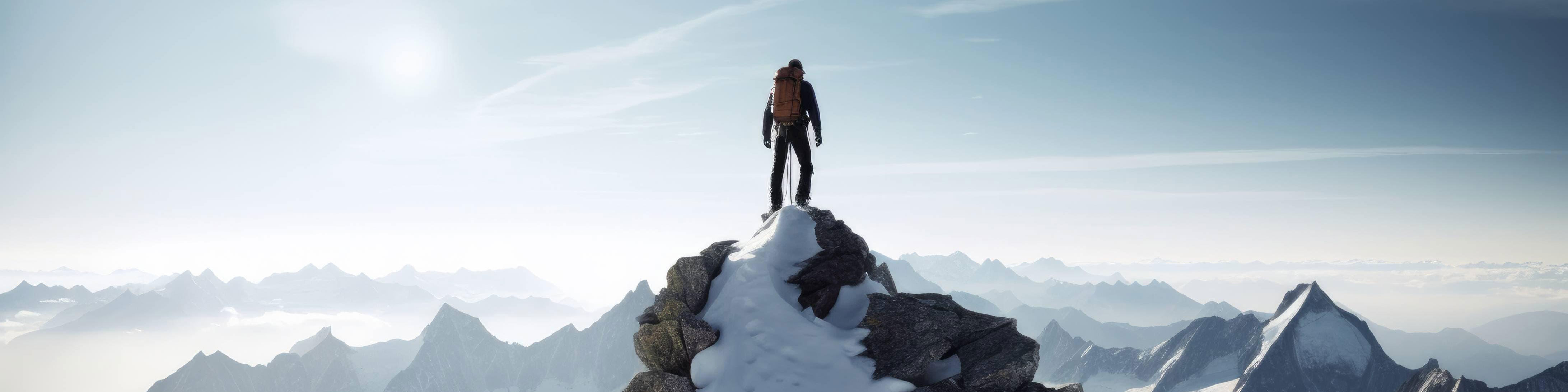

Whispers of Stone and Wind
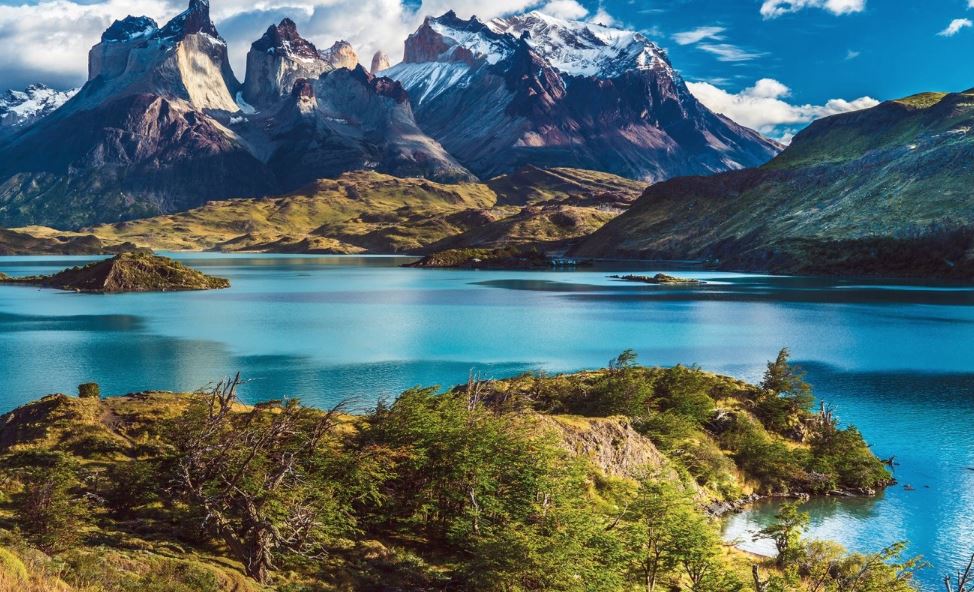
Journeying Beyond the Known Trails to Unearth Patagonia’s Forgotten Summits
The Edge of the World and Its Unwritten Stories
Few places on Earth ignite the imagination like Patagonia. This vast expanse, straddling the southern tips of Argentina and Chile, feels both ancient and eternal. It is a landscape sculpted by glaciers, wind, and time, a realm where mountains rise like frozen waves above endless plains. Most travelers recognize the iconic silhouettes of Mount Fitz Roy and the Torres del Paine, but beyond these famous giants lies another world entirely. Hidden peaks, unnamed ridges, and valleys untouched by trails form the secret heart of Patagonia. These forgotten summits whisper stories that only the most patient and curious explorers can hear.
To wander into this wilderness is to step into nature’s raw memory. The terrain challenges every assumption of scale and endurance. Distances deceive, weather transforms without warning, and silence carries the weight of centuries. Yet those who venture deeper discover an intimacy that fame cannot offer. Here, the mountains are not spectacles to be admired from afar, but companions in solitude. Their names may not appear in guidebooks, yet they hold a quiet majesty that rivals any celebrated peak. Patagonia’s hidden summits are not only geographical mysteries, they are mirrors of the human spirit’s hunger for discovery.
The Mythic Geography of the South
Patagonia’s geography is a paradox of extremes. It stretches from the windswept steppes of the east to the glacier-carved fjords of the west, a patchwork of ecosystems that feel almost mythical in contrast. The Andes divide this world into realms of ice and fire, where volcanoes smoke above frozen rivers and where vast lakes mirror skies that never seem to end. Yet it is the lesser-known peaks, scattered like forgotten guardians along the spine of the continent, that hold Patagonia’s deepest secrets. Names such as Cerro Castillo, Cerro San Lorenzo, and Cerro Torre’s lesser siblings remain overshadowed, even though they command landscapes of staggering power.
Each region reveals a different character. In northern Patagonia, basalt cliffs and alpine forests form hidden sanctuaries for condors and pumas. Further south, near the Southern Ice Field, serrated ridges rise from mists like the remains of an ancient fortress. The geological diversity is astonishing, shaped by collisions of continents and the slow dance of glaciers. In these wild frontiers, beauty is never static. It changes with every step, every season, and every slant of light. Exploring them means accepting that Patagonia cannot be seen all at once. It must be felt, piece by piece, through the rhythm of its endless horizons.
The Forgotten Summits: Peaks Beyond the Spotlight
Hidden among the more celebrated mountains are peaks so remote that few maps mark them with accuracy. These are the hidden summits of Patagonia, where trails vanish into tundra and where climbing routes remain unnamed. Cerro San Lorenzo, though towering over the borderlands between Argentina and Chile, often stands in the shadow of Fitz Roy. Its glaciers descend in rivers of ice that shift with the wind, and its summit rewards those few who climb it with a panorama of infinite white and blue. Further south, Cerro Pared Norte and Cerro Pared Sur guard the edges of the Northern Patagonian Ice Field, their faces streaked with black basalt and silver frost.
To the west, in the labyrinthine fjords of Aysén and Magallanes, rise peaks that seem to belong to another planet. Some are reachable only by boat or multi-day treks through marshlands and dense lenga forests. Others are accessible only in the brief window of summer when daylight stretches nearly twenty hours. These hidden peaks remain largely unclimbed not because of their difficulty alone, but because of their remoteness. In a world where convenience often defines exploration, Patagonia stands as a reminder that the greatest rewards lie beyond reach. Each summit here carries not only altitude, but mystery, as if nature herself wished to keep them undiscovered.
Endurance and the Art of Moving Slowly
Exploring Patagonia’s hidden mountains demands a relationship with time itself. Unlike well-marked alpine regions where progress can be measured in hours or miles, the rhythm here is slower, dictated by wind and weather. Days may pass without clear skies or visible trails. Rivers swell overnight, glaciers shift unexpectedly, and the sheer vastness of the landscape can distort a traveler’s sense of distance. Endurance in this land is not about speed or conquest, but about patience. Every decision becomes an act of awareness, every camp a small alliance with the elements.
Seasoned explorers often speak of the Patagonian wind as a living force. It roars across the plains and funnels through mountain passes with a strength that reshapes thought and motion. Walking against it becomes a meditation, a practice in humility. Even the most experienced mountaineers find that success in Patagonia relies not on dominance, but on respect. Preparation is crucial, yet improvisation remains essential. To move through this landscape safely, one must read its moods as carefully as a sailor reads the sea. Those who learn to listen rather than fight soon discover that Patagonia does not resist them, it teaches them.
The Dance of Ice and Light
No region on Earth captures the interplay of light and ice quite like Patagonia. Here, glaciers are not static monuments but dynamic rivers of frozen time. They grind through valleys, carving amphitheaters of stone that glow blue at dawn and crimson at sunset. The ice breathes, creaks, and moans with the weight of centuries, creating a music that resonates through every canyon. For those who venture to the hidden peaks near the Southern Patagonian Ice Field, this symphony becomes a constant companion. The sight of an iceberg calving into a fjord or a glacier collapsing in slow motion against granite walls remains unforgettable.
Light defines every experience in Patagonia. The low arc of the sun creates shadows that stretch for miles, while the clarity of the air turns distant peaks into crystalline visions. During summer, the sky lingers long past midnight, filling the land with a silver glow that blurs the line between day and dream. In winter, the darkness deepens into a contemplative stillness, where auroras flicker across the horizon like whispers of distant fire. For photographers, the region is paradise. For hikers, it is a test of focus, for beauty appears and vanishes in moments. To witness it fully requires presence, patience, and gratitude.
Wildlife Among the Peaks
Despite its harshness, Patagonia teems with life that thrives in its extremes. Guanacos roam the high plateaus in graceful herds, their copper coats bright against the snow. Andean condors wheel in the thermals, their wings spanning nearly ten feet, symbols of endurance and grace. In the forests, pudús, the world’s smallest deer, move silently among moss-covered trunks, while elusive pumas patrol the ridgelines, their footprints vanishing with the wind. These creatures remind travelers that Patagonia, though remote, pulses with vitality. Life here has learned not to resist the cold, but to adapt to it, finding balance in scarcity and strength in solitude.
Each hidden peak forms part of an intricate ecosystem that extends from the alpine tundra down to the coastal fjords. Glacial meltwaters feed rivers that nurture grasslands and forests, sustaining countless species. Even the smallest lichens play their part, painting granite with splashes of orange and green that reveal the persistence of life in the harshest climates. Observing this interconnected web changes the meaning of exploration. It becomes less about reaching the top and more about understanding the delicate harmony that exists between stone, sky, and living being. In Patagonia, every ascent is also an act of witness.
Human Footprints in the Empty Lands
Though it feels untamed, Patagonia has long been a land of human stories. Indigenous peoples such as the Tehuelche and the Mapuche navigated its expanses for millennia, following migratory routes and leaving behind cave paintings that still speak across time. Their knowledge of the terrain, weather, and animals formed a deep bond with the land that modern travelers can only begin to comprehend. Later came explorers and settlers, carving ranches into the steppes and establishing frontier towns at the ends of the earth. Yet even today, vast regions remain untouched, existing in a state of near-pristine isolation.
To walk among the hidden peaks is to walk in the footsteps of both memory and myth. The ghosts of early explorers linger in the wind, their routes half-forgotten, their camps reclaimed by moss and frost. The modern adventurer, armed with maps and technology, still faces the same challenges of isolation and unpredictability. In Patagonia, history and nature intertwine. Every trail, whether ancient or new, leads not only through space but through layers of time. To explore here is to participate in a story still unfolding, written in the language of ice and wind.
The Challenge of Conservation
Patagonia’s growing popularity brings with it both opportunity and risk. While tourism fuels local economies and global awareness, it also threatens the fragile balance of ecosystems that have remained undisturbed for centuries. The hidden peaks and valleys, once known only to climbers and scientists, are now appearing on the radar of commercial ventures. Trails expand, lodges emerge, and the quiet that defines Patagonia risks being replaced by noise. Conservation efforts have made remarkable progress, yet vigilance is necessary to ensure that exploration remains sustainable.
Organizations and local communities are working together to protect vast areas under national parks and private conservation projects. Rewilding initiatives have begun restoring native species and habitats damaged by overgrazing. Still, the greatest form of preservation lies in mindset. Responsible exploration means treading lightly, respecting wildlife, and leaving no trace of passage. The hidden peaks belong to no one, and their survival depends on collective care. Patagonia offers a rare chance for humanity to honor nature not as a resource, but as a shared home. In protecting its silence, we preserve our own sense of wonder.
Where the Earth Still Dreams
Deep within Patagonia’s uncharted valleys and undiscovered summits lies something rare in the modern world: mystery. The hidden peaks remind us that the planet still holds places beyond comprehension, where beauty exists for its own sake, and where exploration is still an act of reverence. To journey there is not simply to climb mountains, but to rediscover humility. The wind carries the voices of ancient glaciers, the rivers sing of endurance, and the stones hold the warmth of sunlight that has traveled millions of miles. In these remote corners of the earth, the world feels both eternal and new, as if creation itself continues quietly behind the veil of the known. Those who find Patagonia’s hidden peaks do not conquer them, they join their silence, becoming part of the vast, ongoing dream that is the wilderness at the edge of the world.