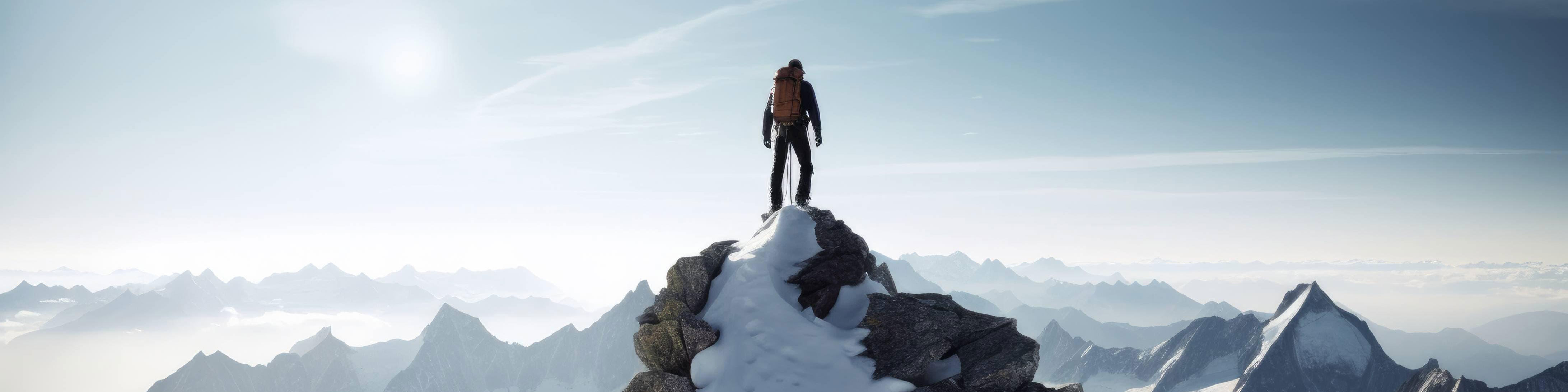

The Pulse of the Wild Horizon
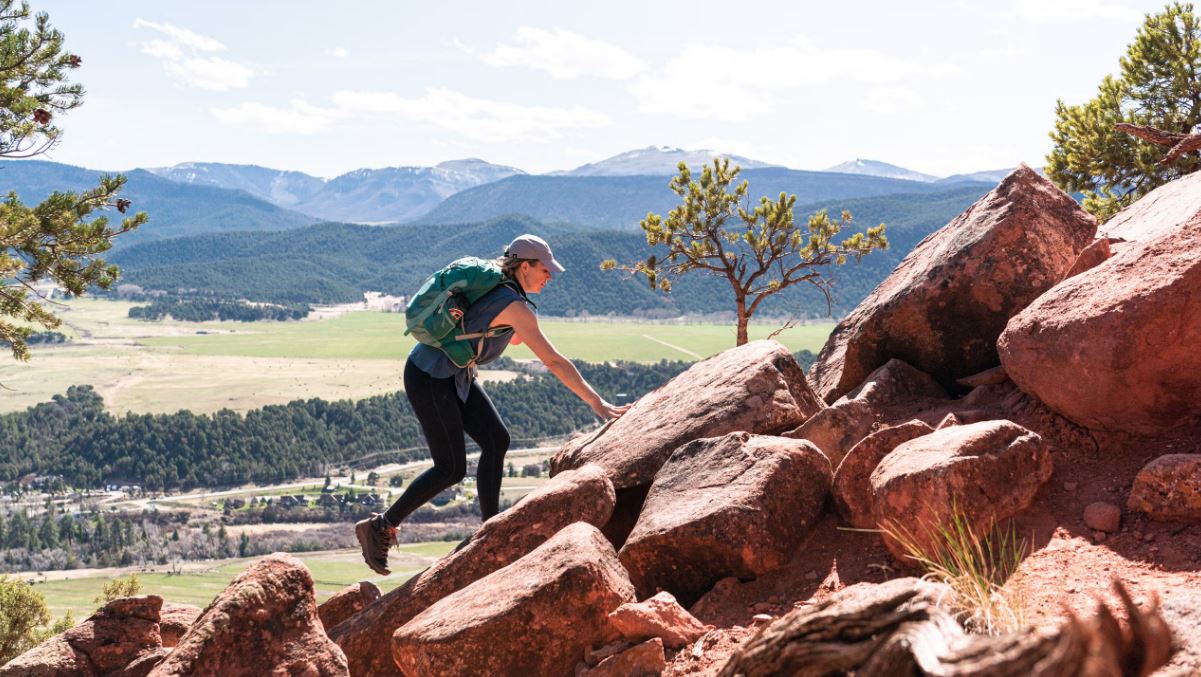
Outdoor Sports Awaken the Mind, Strengthen the Body, and Redefine Freedom
The Call of Open Spaces
Long before stadiums and gym floors, humanity found movement in open spaces. The first runners sprinted across plains, the first swimmers crossed rivers, and the first climbers scaled rocks not for trophies but for survival and discovery. That ancient instinct to move through nature still lives within us, waiting for moments when we step beyond walls and into wind. Outdoor sports are not simply pastimes. They are a return to rhythm, to the essential bond between body and earth. Every gust of air across a cyclist’s face, every spray of water from a paddle stroke, every crunch of gravel under running shoes reminds us that movement can still be wild, unpredictable, and alive.
What separates outdoor sports from indoor recreation is not just the absence of a roof but the presence of uncertainty. The weather may change, trails may twist unexpectedly, and the terrain will always test resolve. That unpredictability transforms effort into experience. It builds adaptability and invites reflection. When you step outside to play, you agree to learn from forces that cannot be controlled, and in that surrender lies real freedom.
The Body in Motion, the Mind in Balance
Outdoor sports engage the entire being. The muscles respond to uneven surfaces, the eyes adjust to shifting light, and the mind finds focus in constant motion. Unlike controlled environments where repetition rules, nature requires spontaneity. A mountain biker reading the path ahead must make instant calculations. A rock climber finding a foothold must trust instinct as much as strength. Each sport becomes a dialogue between calculation and intuition, between confidence and humility.
There is a psychological clarity that emerges in the outdoors. Studies have long shown that physical activity in natural settings reduces stress, improves cognitive function, and heightens creativity. Yet the deeper truth is harder to measure. Outdoor sports demand attention to the present moment in a way few modern experiences can. They teach awareness through necessity. A surfer watching waves learns patience. A kayaker navigating rapids learns composure. These lessons extend far beyond the sport itself. They shape how we live, work, and relate to challenge. In motion, the mind finds stillness.
The Many Faces of Adventure
The category of outdoor sports is vast and endlessly evolving. For some, it means scaling a vertical ice wall or racing across snowy plains on skis. For others, it might mean hiking through desert canyons or balancing on a slackline above a forest floor. Each discipline attracts a unique personality, yet all share a devotion to self-reliance and wonder. The mountain does not care how fast you climb it, and the ocean does not adjust its tide for your schedule. These environments level all who enter. They ask only for presence, and they reward it with perspective.
What makes outdoor sports fascinating is how they blend artistry and survival. The trail runner’s stride is both expression and endurance. The paraglider’s flight is equal parts science and surrender. Even simple acts like casting a fishing line or skating across a frozen lake become meditations on balance and timing. To excel in outdoor sports is not to conquer nature but to collaborate with it, learning its moods, respecting its limits, and moving within its rhythm. Every sport becomes a way of listening, and every athlete becomes a translator between the human spirit and the wild.
Nature as the Unseen Teammate
In most sports, victory depends on competition. In the outdoors, success depends on coexistence. The environment becomes both the opponent and the ally, shaping the outcome in subtle ways. A cross-country skier must understand snow quality, a sailor must read wind currents, and a trail runner must anticipate how rain alters soil. Every element introduces variables that cannot be ignored. The athlete who adapts fastest is often the one who succeeds, not because of brute strength but because of sensitivity to context.
When we treat nature as a teammate rather than an obstacle, the relationship transforms. The mountain becomes a mentor that teaches endurance through elevation. The river becomes a guide that teaches movement through flow. Even the obstacles carry lessons. Slipping on mud reminds us of humility. Waiting for a break in the storm reminds us of patience. In this way, outdoor sports are not merely tests of ability but continuous exercises in awareness. The environment offers both challenge and companionship, and those who learn to work with it find something deeper than victory. They find belonging.
The Role of Technology in the Open World
Modern technology has reshaped outdoor sports in ways both inspiring and complex. Lightweight fabrics keep adventurers warm without restricting movement. Smartwatches track altitude and heart rate. Drones capture moments once impossible to photograph. Yet the heart of outdoor sport remains primitive. No device can predict the feeling of standing at the edge of a cliff or diving into cold water at dawn. Technology may assist, but it cannot replace the intimacy between human effort and natural resistance.
There is a growing challenge in balancing convenience with authenticity. Some purists prefer minimal gear, believing that technology distances them from the raw experience. Others embrace innovation as a way to explore safely and sustainably. The debate itself reflects a larger truth: outdoor sports exist at the intersection of ancient instinct and modern creativity. Whether one climbs with carbon fiber tools or bare hands, what matters most is the moment of contact with the real world. The pulse of nature cannot be downloaded. It must be felt.
The Philosophy of Play and Presence
At its core, every outdoor sport is an act of play, and play is essential to human flourishing. It is not childish. It is freedom in motion. The runner tracing forest trails, the snowboarder carving through powder, the paddler slicing across still water, all share a deep sense of joy unburdened by expectation. This playfulness restores balance to modern lives shaped by routine. The outdoors remind us that physical expression is not only about performance but also about participation in something larger than ourselves.
Play also cultivates gratitude. The first rays of sunrise during an early-morning ride, the scent of pine drifting through cool air, the sight of fog lifting off a valley, these are experiences that ground us in appreciation. The outdoors is a place where even struggle feels meaningful because it is honest. Every fall, scrape, or failed attempt becomes a story written on the skin of the world. In these moments, we stop chasing time and start inhabiting it.
Building a Culture of Respect and Stewardship
Outdoor sports depend on environments that remain wild and accessible, which means athletes become custodians of the spaces they love. The more time spent in nature, the deeper the sense of responsibility grows. Leave No Trace principles are not just guidelines but expressions of gratitude. Picking up trash after a trail run, respecting wildlife habitats, and supporting conservation initiatives all ensure that future generations can experience the same freedom. Stewardship transforms adventure from personal pursuit into shared legacy.
Many outdoor communities already lead by example. Climbing organizations repair anchors and restore trails. Surfing groups organize beach cleanups. Kayakers volunteer for river monitoring. The best athletes are not defined only by skill but by care. Their influence extends beyond performance, inspiring others to view adventure not as consumption but as connection. In protecting the land and water that shape their passions, they protect a vital part of human identity.
When Competition Meets Creativity
While many outdoor sports celebrate individual expression, competition still plays a role in pushing boundaries. Events like ultramarathons, triathlons, or mountain bike races reveal what the human body can achieve under extreme conditions. Yet the spirit of these competitions often differs from traditional athletics. Rivals become supporters, cheering for one another when fatigue hits or when weather turns against them. In the outdoors, triumph is collective. Everyone who faces the same terrain shares the same respect for its power.
Competition also fuels creativity. New routes are forged on cliffs once deemed impossible. Athletes invent hybrid disciplines that merge multiple sports, such as trail duathlons or surfskate sessions. Innovation grows from curiosity, not rivalry. Each athlete adds a verse to the evolving song of exploration. The point is not domination but discovery. Outdoor sports redefine what competition can mean by blending it with collaboration and awe.
The Endless Playground of the Earth
The earth offers infinite fields of play for those willing to step outside. Mountains, rivers, deserts, and oceans await with open arms, each holding lessons in courage and humility. Outdoor sports transform landscapes into classrooms and participants into lifelong students. They remind us that adventure is not a hobby but a dialogue between human spirit and natural truth. Every climb, every ride, every paddle stroke is a conversation with the planet itself. In these moments, the noise of civilization fades, replaced by the pulse of something eternal. To play in the open world is to return home to what we have always been, explorers, learners, and keepers of the wild horizon.