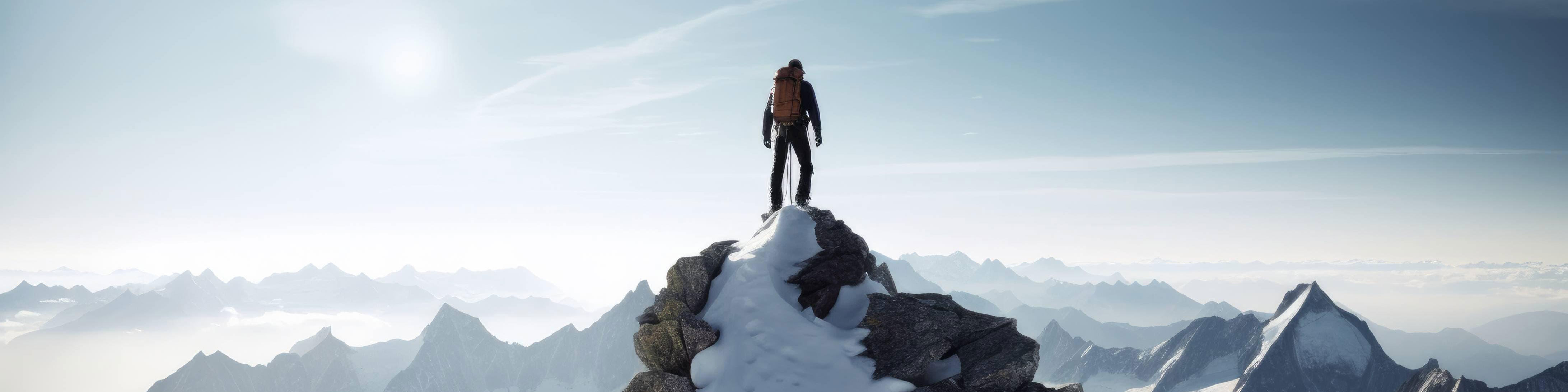

Echoes of Solitude Beneath an Open Sky
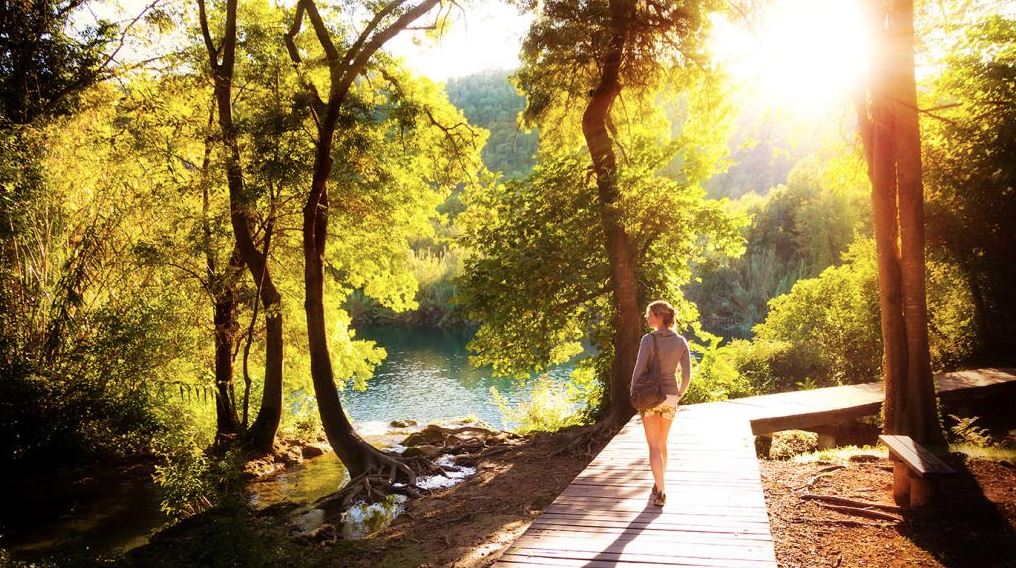
Understanding the Hidden Depths of the Mind When We Walk Alone in Nature
The First Step Into Stillness
There is a quiet moment that arrives before every solitary walk, the instant when the world behind fades and the rhythm of footsteps begins. Walking alone in nature is not just movement through space, it is a passage through the mind. The first step feels tentative, as if testing the border between familiarity and freedom. Then, with each breath of unfiltered air, the noise of life starts to dissolve. The path unfolds not as a destination but as a mirror, reflecting back thoughts we rarely stop to notice. What begins as an act of exploration often becomes an intimate conversation with the self.
Solitary walking draws its strength from simplicity. There are no companions to distract, no devices to interpret the moment. The mind, unanchored by social rhythm, begins to stretch and expand. The natural world takes on new dimensions of sound and texture. Every rustle of leaves and distant birdcall becomes amplified. The walker learns to listen not just with ears, but with awareness. This transition into stillness is not isolation but restoration. It reconnects the human pulse with the pace of the earth, reminding us that presence is an act of alignment rather than occupation.
Solitude as a Mirror for the Mind
To walk alone in nature is to face the unfiltered self. In the quiet absence of conversation, thoughts rise to the surface like ripples on still water. Some are fleeting, light as reflections of clouds, while others run deep, carrying memories and emotions we did not realize we were still holding. This self-exposure can be uncomfortable at first, yet it is profoundly honest. The solitude strips away the layers of distraction that often mask the truth of how we feel and who we are. Without the noise of the world, the mind becomes both question and answer.
Psychologists often speak of solitude as a form of cognitive restoration. Away from artificial stimulation, the brain rebalances its focus and recovers from mental fatigue. Walking alone strengthens this process because movement and environment merge into mindfulness. Every step reinforces presence, every sound invites attention. The forest, the mountain, or the shore becomes an extension of consciousness. It is in this space that clarity emerges. What once seemed tangled begins to unwind. The act of walking transforms abstract thought into flow, allowing emotions to breathe without judgment.
The Science of Rhythm and Reflection
There is a biological rhythm embedded in the act of walking that syncs body and mind. Studies in neuroscience reveal that repetitive movement, such as steady walking, stimulates brain regions associated with creativity and emotional regulation. The steady cadence of steps creates a kind of internal metronome, aligning thoughts into patterns that promote calm and insight. This natural synchronization explains why solitary walking often leads to ideas that feel deeper and more genuine than those born in static environments.
Unlike exercise that seeks to exhaust, walking invites a meditative tempo. Heart rate increases slightly, enough to energize the body without flooding it with stress hormones. The combination of physical movement and sensory immersion activates both hemispheres of the brain, allowing logic and intuition to converse freely. When walking alone, this dialogue becomes uninterrupted. The forest path or mountain ridge becomes not only scenery but a space for internal negotiation. What once felt overwhelming begins to shrink to its proper size, and what once seemed insignificant gains new meaning.
The Fear and Freedom of Aloneness
For many, the idea of being alone in nature carries an undertone of unease. The quiet can feel too deep, the path too empty. Yet beneath that initial fear lies a profound opportunity for liberation. Modern life often associates solitude with isolation, but nature reframes it as independence. The absence of company does not equal the absence of connection. Instead, it replaces conversation with communion, allowing the walker to feel part of something wider than the self.
Fear also serves an evolutionary function. It heightens awareness, sharpening senses and focus. When walking alone, every sound becomes a message, every shadow a possibility. Rather than running from fear, experienced solitary hikers learn to walk with it, to recognize it as the mind’s way of reminding us of our fragility and our strength. In this balance between vulnerability and control, solitude transforms from anxiety into empowerment. Each step forward becomes an act of trust, not only in the landscape but in one’s own instincts.
Memory, Emotion, and the Landscape Within
Walking alone through natural spaces often triggers memories that feel vivid and unexpected. The scent of pine might recall childhood summers, the crunch of leaves might awaken a sense of nostalgia or longing. This is because nature’s sensory richness interacts directly with emotional memory. The hippocampus, the brain’s center for navigation and recollection, becomes active not only in mapping the trail but also in mapping the internal landscape of the mind. Solitary walking becomes a kind of emotional archaeology, uncovering fragments of the self buried beneath daily routines.
As these memories surface, they are filtered through the calm rhythm of movement. The trail provides both physical and psychological grounding. Unlike sitting meditation, where thoughts may loop endlessly, walking transforms emotion into progression. Each step forward becomes symbolic, turning pain into perspective and confusion into clarity. Nature offers the perfect backdrop for this inner unfolding. Its vastness holds space for vulnerability, and its continuity reassures that change, though constant, is always survivable.
The Relationship Between Isolation and Awareness
Isolation in the wild is not about escape but expansion. When the chatter of civilization fades, awareness becomes sharper, not smaller. The crack of a twig, the shift of light through branches, or the sudden flutter of wings no longer fade into background noise. They become part of an intricate web of perception. This heightened awareness reawakens instincts dulled by routine. We begin to move with care, to breathe more deeply, and to sense the interconnectedness of everything around us. The walker ceases to be an outsider observing nature and becomes a participant within it.
This state of awareness, sometimes described as flow, allows for a rare form of peace. The self and the surroundings blur into one experience. The line between observer and observed disappears. Such moments cannot be forced. They arrive naturally when attention and environment align perfectly. The simplicity of walking alone, unhurried and unobserved, creates the perfect conditions for this merging of consciousness. It is a reminder that peace is not found by seeking silence, but by entering into harmony with what already exists.
Nature as the Unspoken Therapist
Modern therapy often relies on words, but nature speaks through sensation and rhythm. When walking alone, the landscape becomes an unspoken therapist. It listens without interruption, reflects without judgment, and heals without instruction. The forest does not offer solutions, but it teaches perspective. The mountain does not answer, but it demands honesty. The river does not fix, but it shows motion and continuity. These metaphors become lessons that bypass intellect and settle into the subconscious, reshaping how we approach difficulty and change.
Even short solitary walks can have measurable effects on mental well-being. Levels of cortisol, the stress hormone, drop significantly after time spent in green spaces. The parasympathetic nervous system activates, slowing heart rate and promoting calm. Yet beyond measurable data, the emotional transformation is more profound. Nature does not just reduce stress. It reminds us of balance, reminding the body and mind of their original connection to the world that sustains them. Solitary walking becomes not only therapy but return, a reawakening of something innate and ancient within the human spirit.
The Spiritual Layer of Solitary Walking
Across cultures and centuries, walking alone has held spiritual significance. Pilgrims journeying to sacred sites, monks pacing cloisters, poets wandering through meadows, all share the understanding that movement through solitude awakens something transcendent. The body becomes a vessel of prayer, the act of walking a meditation in motion. Without distractions, the mind naturally turns inward, not in isolation but in reverence. The world appears both vast and intimate, filled with patterns and meanings that escape casual observation.
Spiritual reflection during solitary walks does not require doctrine or belief. It emerges from the direct experience of being small beneath the sky and yet deeply connected to it. The rhythm of breath and step mirrors the rhythm of life itself. Each inhale draws in presence, each exhale releases burden. Whether one names it faith, mindfulness, or simply peace, the result is the same, a renewed awareness of belonging. The walker finishes not with answers but with understanding, a quiet certainty that they are part of something greater than thought can define.
The Path Within the Path
When the walk ends and the boots are untied, the silence remains. It settles not as emptiness but as clarity. Walking alone in nature changes how we carry ourselves through the world. It teaches patience, humility, and trust in our own rhythm. It replaces the urgency of modern life with the steady pulse of the earth. Solitude becomes a teacher that whispers rather than shouts, reminding us that the mind does not need constant company to feel alive. In every future step, even on crowded streets, the echo of that solitary walk lingers quietly, like a compass pointing inward, guiding us toward stillness no matter where we stand.