

Whispers Beneath the Pines
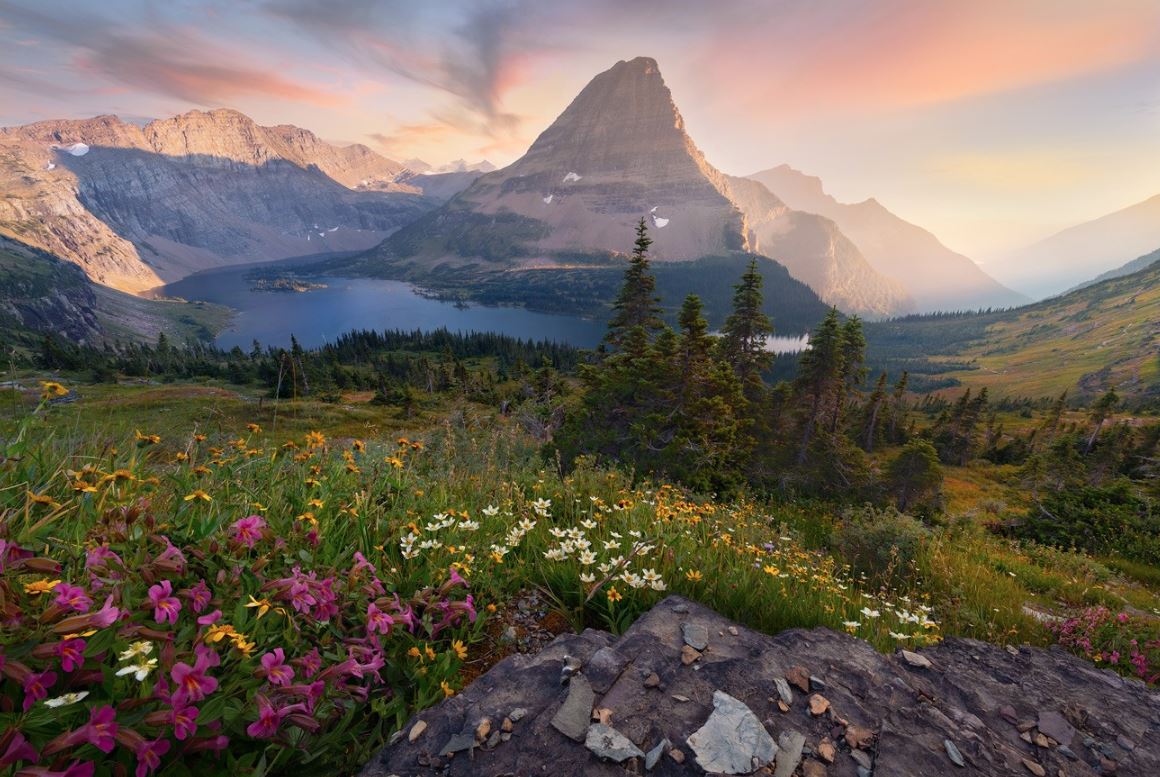
Discovering the Hidden Trails Where Silence Still Speaks Louder Than Footsteps
The Allure of the Unknown Path
There is something magnetic about a path that is not found in a guidebook. The promise of discovery lingers in the air, and curiosity becomes the compass. Hidden hiking trails offer more than scenery. They offer intimacy. They exist in the quiet corners of the world where maps blur and nature guards her secrets carefully. Every unmarked turn or faded signpost becomes an invitation to explore. Unlike famous trails where crowds carve predictable patterns, these lesser-known routes still breathe with mystery. They ask for patience, respect, and a willingness to wander without certainty.
To step onto a hidden trail is to feel the world grow quieter. The rhythm of boots against soil begins to sync with the heartbeat, and the forest responds with whispers of wind through pine needles. There is no rush, no expectation, only the unfolding of discovery at its own pace. The hiker becomes an observer, not a conqueror. What defines a hidden trail is not only its location but its spirit. It is the kind of place where a single footprint might last for weeks, and where solitude feels like a gift rather than an absence.
Paths Beyond the Beaten World
Most people follow trails that promise familiar rewards. A waterfall, a panoramic view, or a well-photographed summit. Yet, hidden trails often reward differently. They offer subtle beauty that reveals itself slowly. A trickle of water carving through moss, a rock formation shaped like an ancient sculpture, or a sudden clearing that feels untouched by time. These trails are not found by accident but by curiosity. Some lie behind local farms, others twist through forgotten forest roads, and a few begin as animal paths that fade into human wonder.
Take for instance the lesser-known parts of the Appalachian foothills, where small side paths lead to clear pools beneath limestone cliffs. In remote valleys of the Pacific Northwest, trails carved by early loggers now serve as secret sanctuaries of fern and mist. In mountain ranges far from cities, hikers find routes known only to locals, marked by nothing more than stacked stones or carved initials in fallen logs. Each hidden path carries its own history, one that must be walked to be understood.
The Beauty of Imperfection
Hidden hiking trails often lack the polish of popular routes. The dirt is uneven, roots twist across narrow passages, and signs may be missing or worn beyond recognition. Yet these imperfections are what make them unforgettable. They demand awareness. Each step becomes intentional. The trail becomes less of a track to follow and more of a conversation with the landscape. The hiker begins to notice things others might overlook, like the shimmer of dew on spider silk or the quiet pattern of leaves fallen in a spiral.
These imperfect paths remind us that beauty does not need to be curated. It exists freely, waiting for those who care to look closely. A hidden trail teaches humility, because it does not exist to please the traveler. It is not manicured for convenience. It simply is, wild and unapologetic. To walk such a path is to participate in a kind of honesty that modern life rarely offers. The uneven ground beneath your feet becomes a mirror of life itself, unpredictable but full of wonder.
Listening to the Land
Walking an unfrequented trail requires more than stamina. It requires listening. The rustle of leaves can signal a change in wind. The distant call of a bird might reveal direction when the path fades. The land speaks constantly, and hidden trails amplify that dialogue. Without the noise of crowds or the distraction of chatter, the natural world becomes articulate. Every sound, scent, and shift of air carries meaning. The hiker who learns to listen begins to navigate not just the terrain but the invisible thread that ties everything together.
Listening also means being aware of your impact. Hidden trails often pass through fragile ecosystems where footprints matter. Staying mindful of where you step, keeping noise minimal, and avoiding shortcuts preserves the very magic that drew you there. The best explorers understand that discovery is not about claiming but about understanding. Silence becomes a tool as valuable as a compass, allowing the surroundings to speak freely without human interruption. It is in those moments of stillness that true connection happens.
Stories Carved in Secrecy
Every hidden trail has a story. Some began as routes used by indigenous communities centuries ago, winding along rivers and ridges long before modern maps existed. Others were created by shepherds, miners, or hermits who needed a passage through solitude. Time may have reclaimed their paths, but traces remain for those willing to look closely. Faint carvings on tree trunks, forgotten stone steps half-buried in soil, or a rusted fence swallowed by vines all tell fragments of human history intertwined with nature’s persistence.
In certain regions of Europe, there are trails that lead to abandoned monasteries deep within forests, where bells once rang through misty valleys. In remote corners of Asia, there are mountain tracks known only to local farmers who walk them to hidden shrines. Even in North America, countless trails remain unlisted, surviving as secrets passed between generations of hikers. To walk one of these is to participate in a lineage of curiosity, connecting the past with the present through motion and mindfulness.
Finding the Path Without Losing Yourself
Exploring lesser-known routes requires preparation and intuition. Unlike marked trails, hidden paths often lack clear direction. Maps may be outdated, and GPS signals unreliable beneath dense canopy. The best tools become observation and awareness. Following the curve of a valley, reading the angle of sunlight, or noticing the flow of water can reveal direction when signs do not. Hidden hiking is as much a mental discipline as it is physical exertion. It asks you to slow down and engage fully with your surroundings.
Safety remains essential. Bringing a map, compass, and enough supplies to handle the unexpected turns a risky adventure into a fulfilling one. Hidden trails reward caution. They are not meant to be rushed or forced. Instead, they unfold for those who respect their rhythm. When the goal shifts from destination to experience, getting slightly lost becomes part of the beauty. You realize that every wrong turn is simply another path leading toward discovery. In the hidden world of trails, there are no true mistakes, only lessons written in earth and sky.
The Solitude of Secret Places
Solitude is the rarest gift that hidden trails offer. To walk alone through quiet terrain is to rediscover the essence of exploration. The sound of your own footsteps becomes music, and your breathing joins the rhythm of the wind. These trails do not reward those who seek attention but those who seek reflection. Solitude becomes not emptiness but presence. The absence of others allows the landscape to reveal its subtler moods. Mist rising over a pond, sunlight breaking through a narrow gap in the trees, or the soft crunch of frost beneath boots, all become intimate companions.
In solitude, you begin to notice your own thoughts differently. The noise of daily life fades, and what remains feels real. Hidden trails remind us that solitude is not loneliness but connection to everything we forget when surrounded by noise. The peace that comes from walking alone through forgotten landscapes stays long after the hike ends. It becomes part of who you are, a quiet strength carried into every crowded moment that follows.
Preserving What Is Hidden
With discovery comes responsibility. The beauty of hidden trails lies in their rarity, and every new visitor has the power to preserve or diminish it. Respect begins with restraint. Share the story of your journey, but not always its location. Allow others the chance to find their own unknown paths rather than turning secrets into destinations. Nature thrives in balance, and too much attention can break what centuries of silence built.
Responsible exploration also means understanding the ecosystems beneath your boots. Some hidden trails pass through protected habitats or areas where wildlife relies on minimal human presence. Leave no trace, avoid shortcuts, and resist the urge to alter what you find. A single cairn or marking might help in the moment but could mislead future travelers. The best explorers are invisible, leaving behind only footprints that fade with the next rainfall.
The Journey That Never Ends
The search for hidden trails is never complete. Each discovery leads to another question, another whisper from the horizon. What lies beyond that ridge, behind that grove, or beneath that mist? The answer is always waiting for those who keep walking. Hidden trails do not exist only in remote mountains. They exist wherever curiosity meets patience. They wind through forests, deserts, and coastlines, and sometimes they wind within ourselves. To seek them is to participate in the endless dialogue between movement and meaning. The path may be hidden, but the experience is open to anyone willing to look closely, listen deeply, and walk slowly enough to hear the earth breathing beneath their feet.